
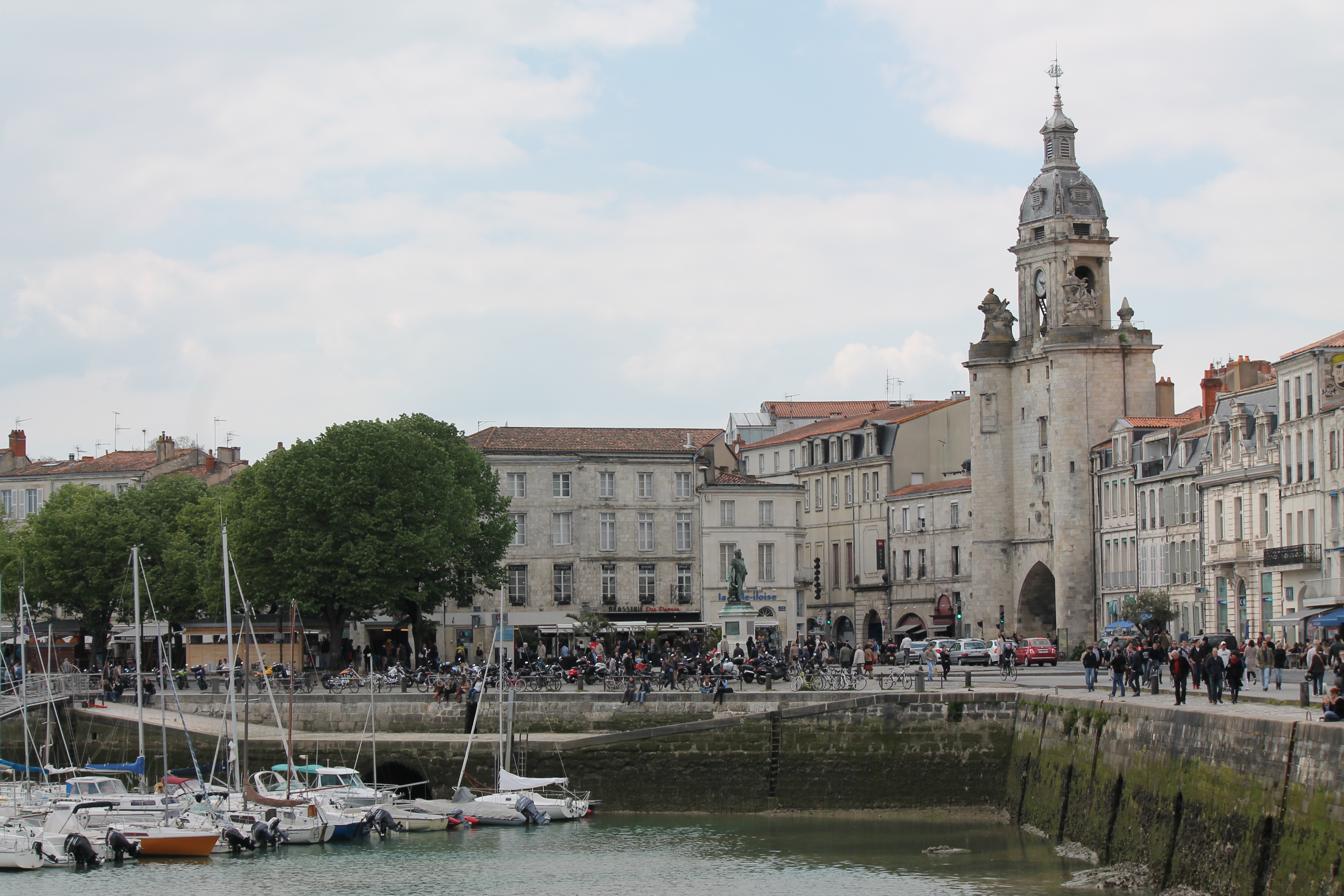
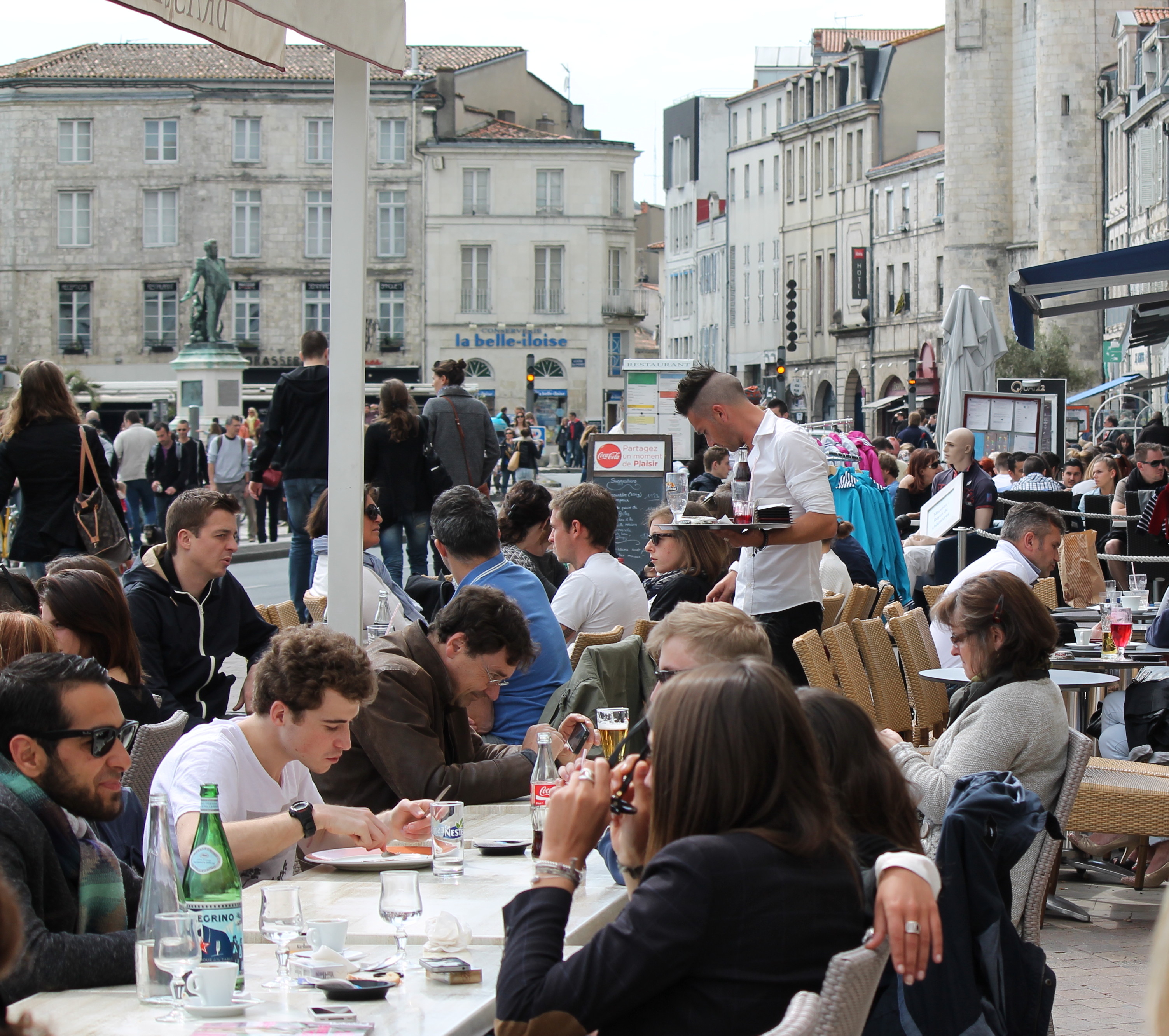
Weekends in La Rochelle everyone heads for the vieux port, where something is sure to be happening. The waterfront cafés are bustling.
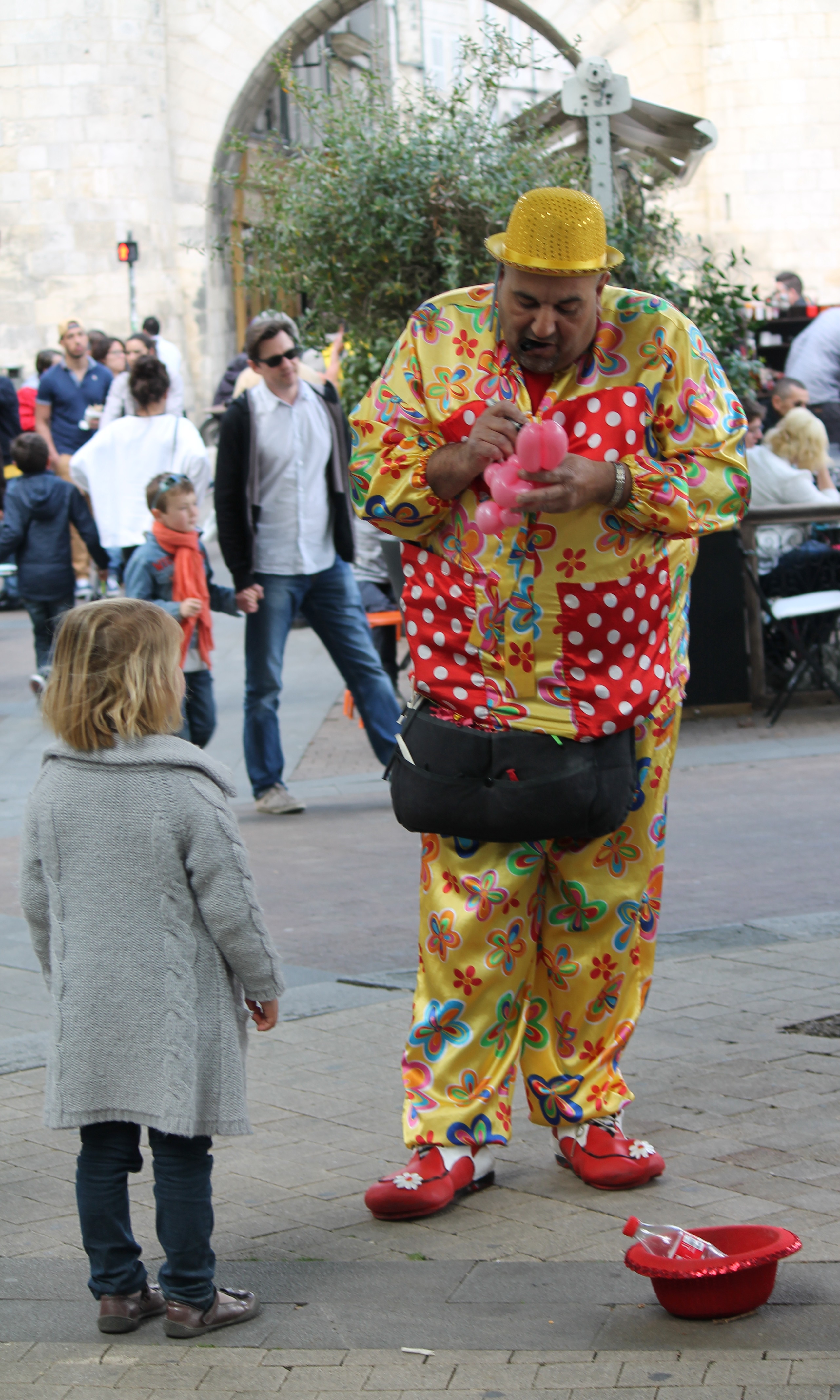
The children are entertained.
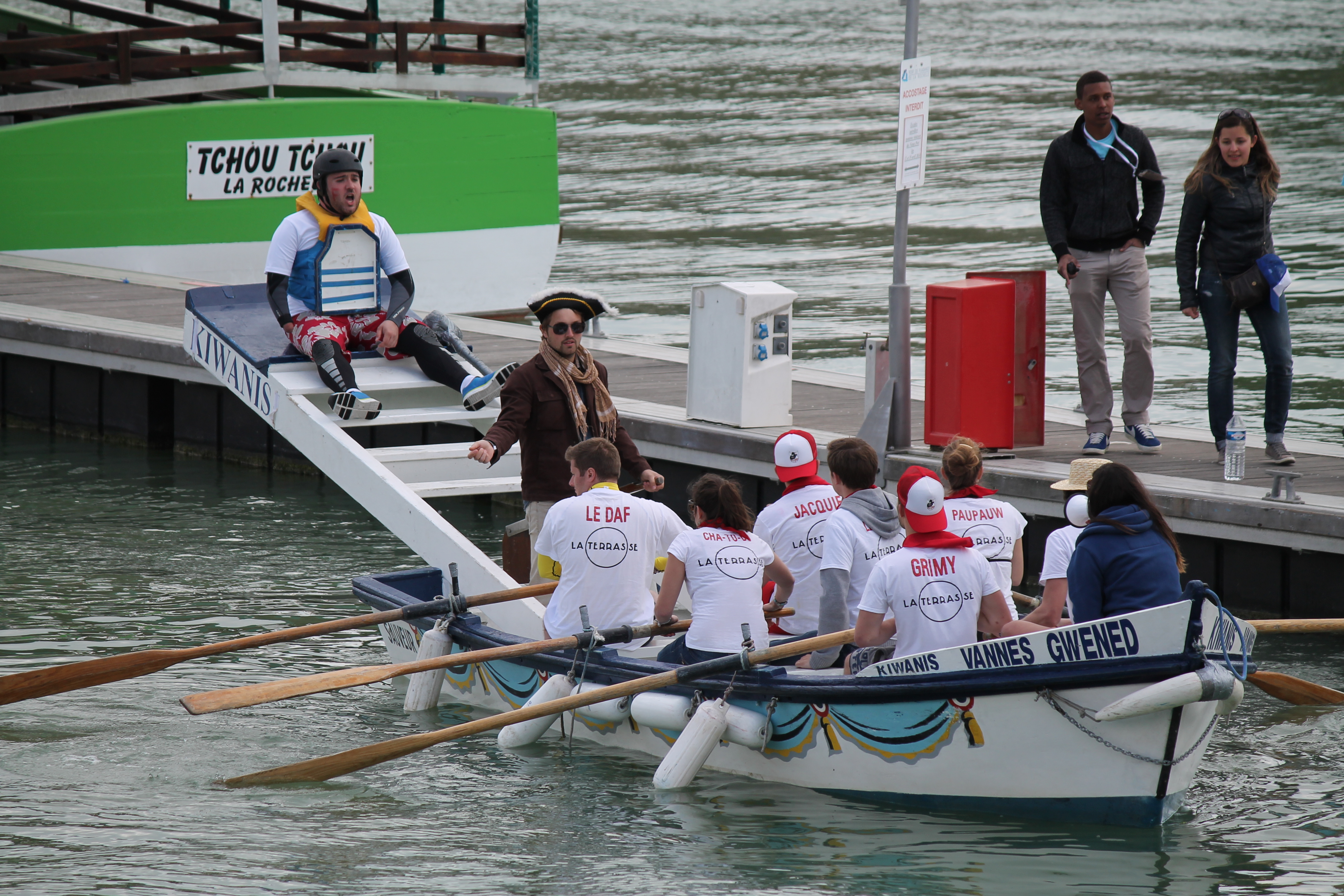
The students . . . well . . . today they were engaged in the Nautics Games, which involved wearing odd things and jousting with boats:

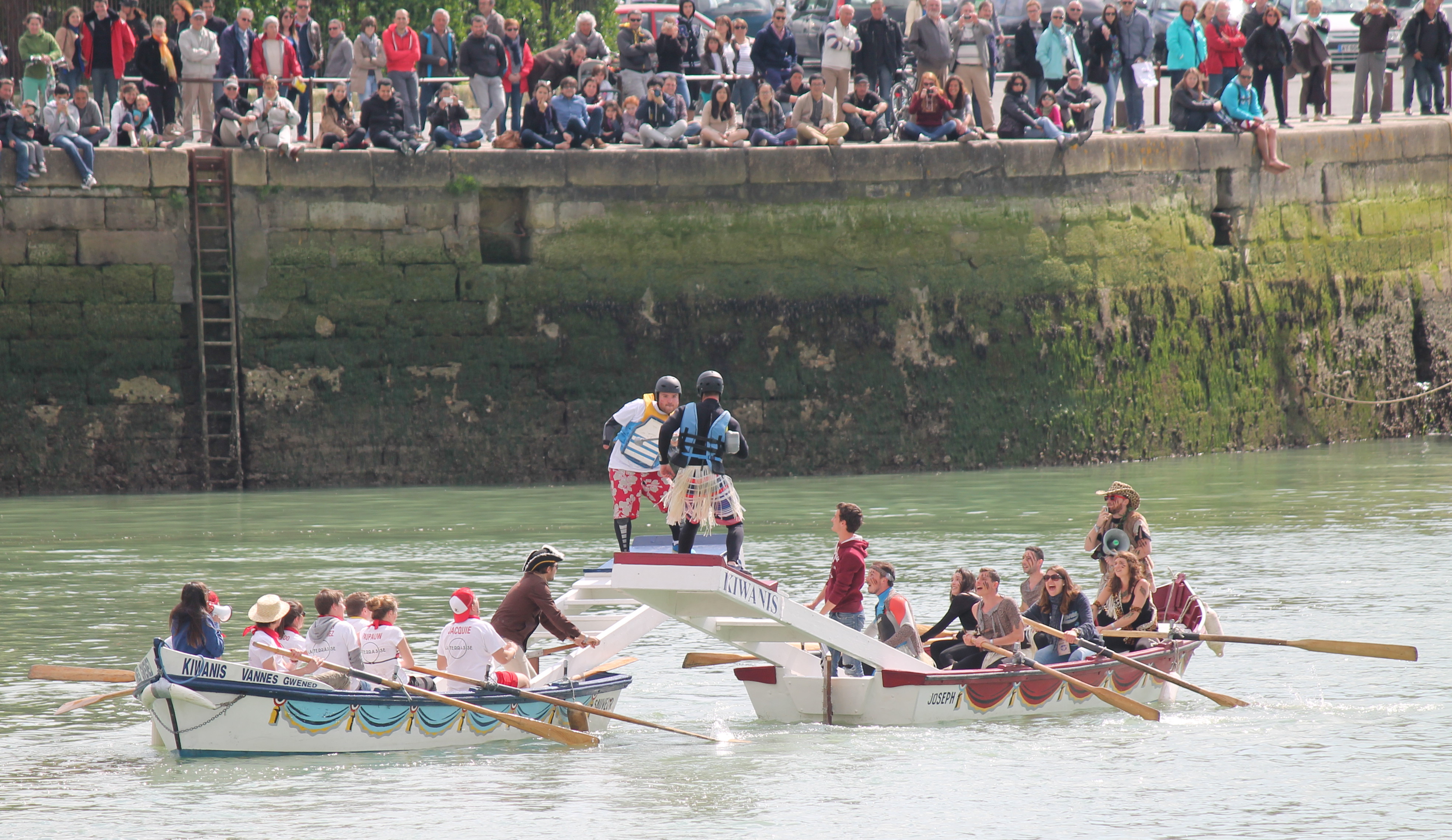
Since preparing for the battle seemed to take forever (that may have been the low tide’s fault), the sidewalk performers had a captive audience. They’ll do anything to vie for your euros and centimes.
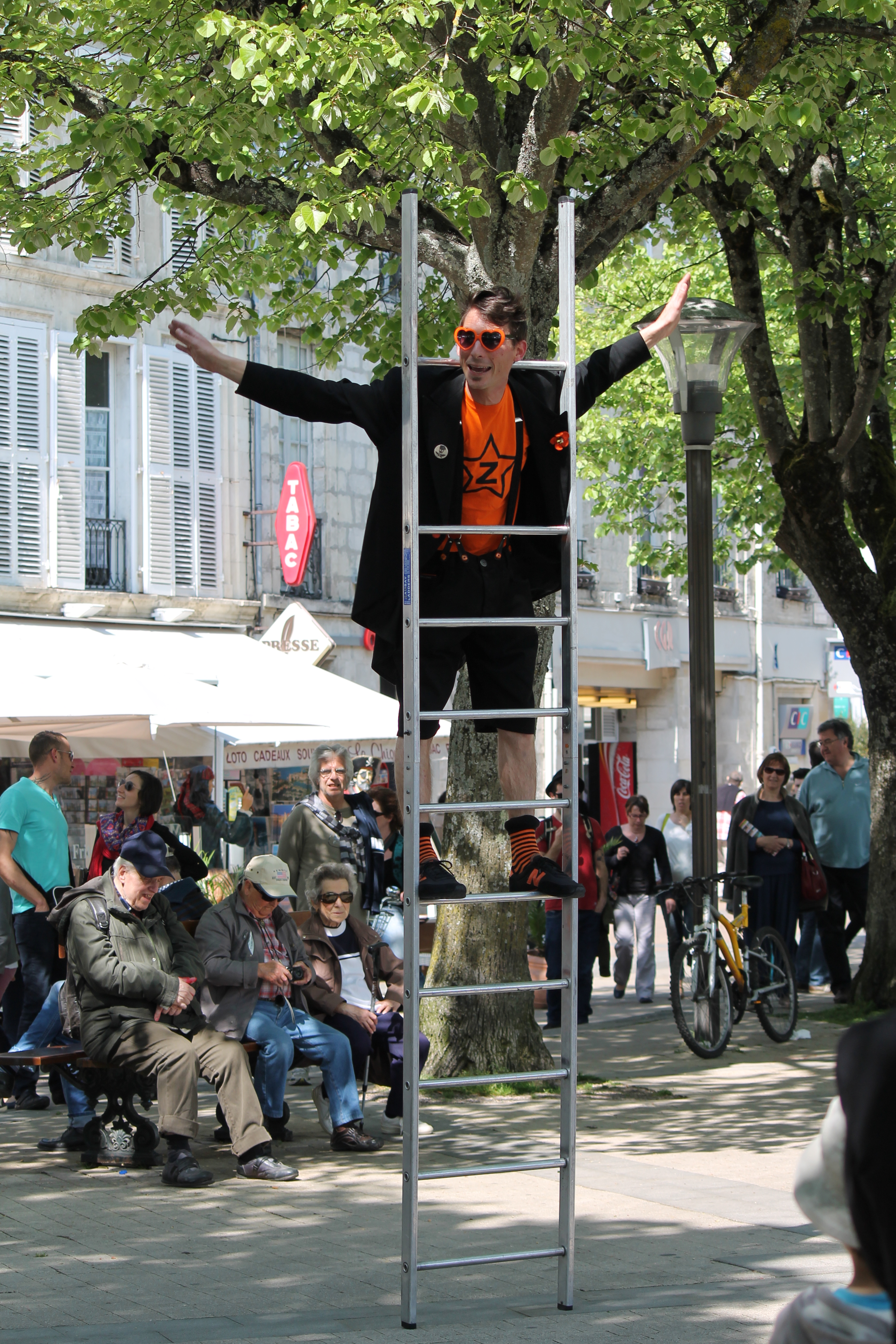
Some are more successful than others at keeping the attention of an audience. We saw a guy yesterday standing with one of those arm-brace single crutches, who would occasionally lift up his crutch and burst into song, singing into the hand grip part as if it were a microphone. There would be a little enthusiastic singing, then some I-can’t-remember-this-part vocalizing, then a little more singing, all offered with a twinkle in his eye as if he were giving us all a little gift. Okay, the music was not fabulous, but he got a lot of smiles, and a rather surprising number of tips. I guess Elizabeth Berg* is right, metaphorically and literally: “It is never about how good your voice is; it is only about feeling the urge to sing, and then having the courage to do it with the voice you are given.”
Sing on!
*See the Quotes page for some newly posted quotes from Elizabeth Berg.


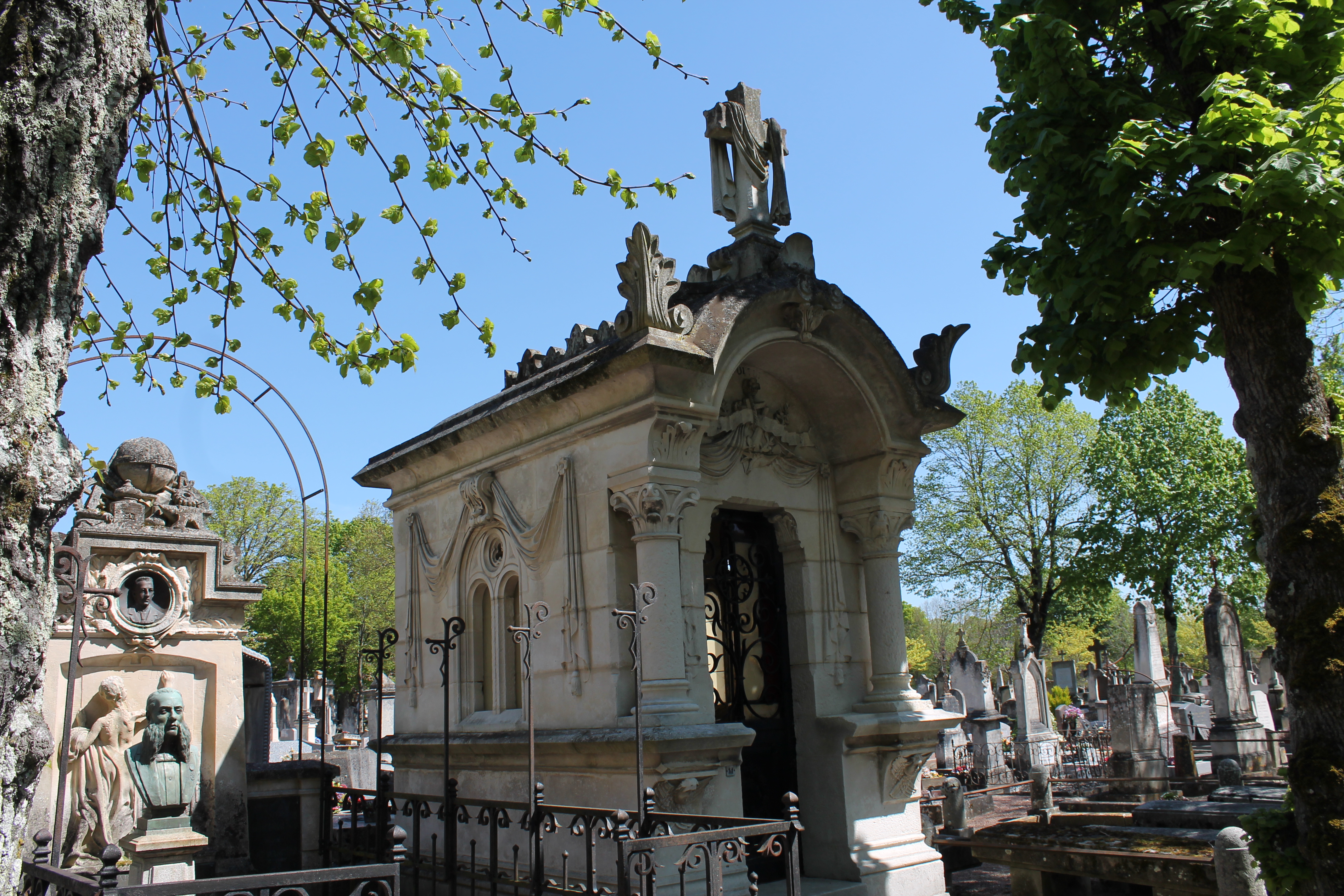
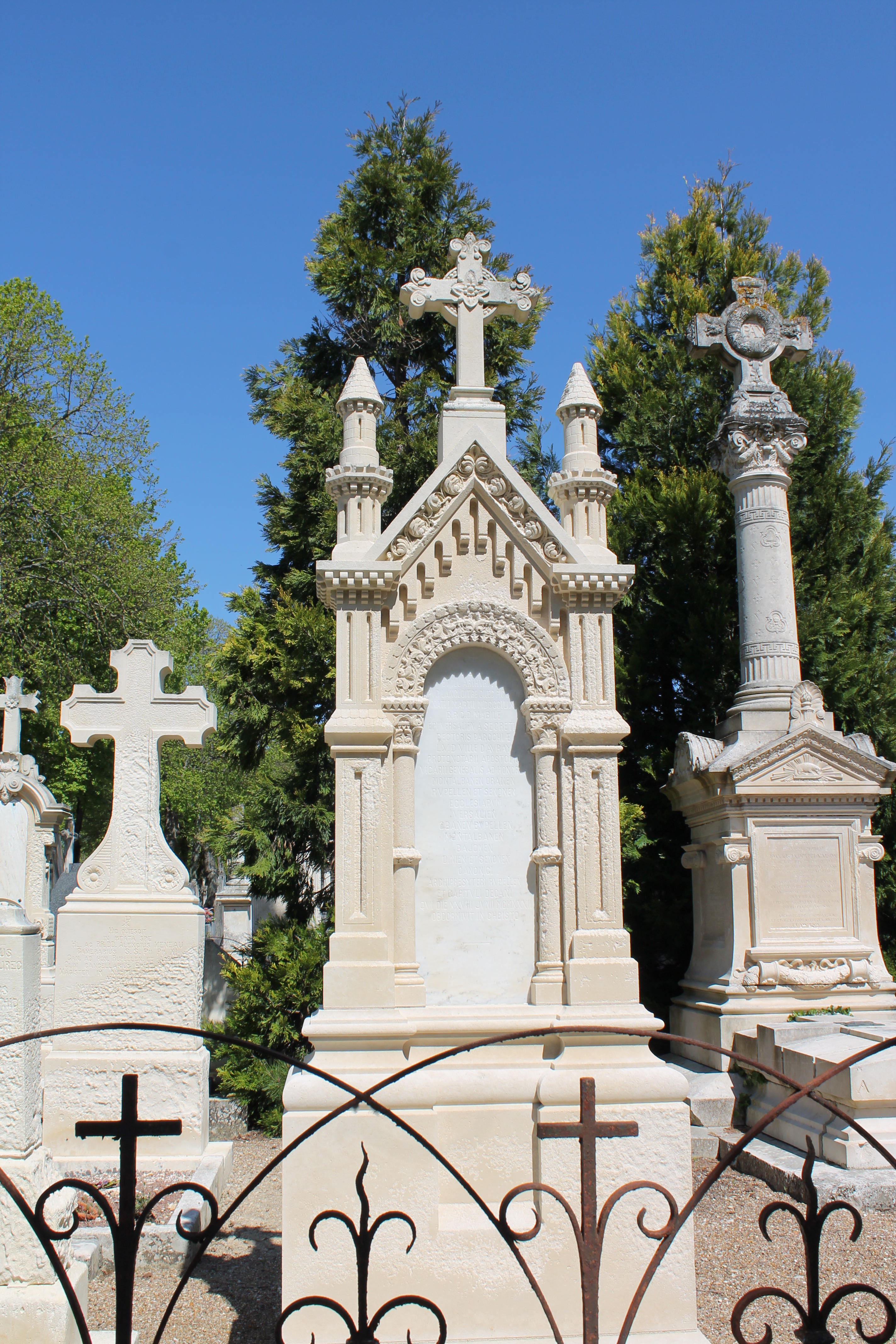





 Movable Assets